Table of Contents
- – Get To Know Your Trusted Melanographer - Molem...
- – Search Results - Eviq Education in Colac Victo...
- – Skin Cancer And Melanoma - Healthdirect in Po...
- – [Pdf] Certificate Of Skin Cancer Medicine in ...
- – Professional Certificate Of Skin Cancer Medi...
- – Tools And Resources - Cancer Australia in Po...
- – Graduate Certificate In Dermatology Nursing ...
- – A Qualitative Descriptive Study Of A Novel N...
- – 600 Nurses Project: Targeted Skin Checks Led...
- – The Foundations Of Skin Cancer Medicine (Nur...
- – Vccc Alliance: Essential Research Skills For...
- – Implement - Cancer Nurses Society Of Austral...
Why Every Nurse in Australia Should Consider Skin Cancer Certification.
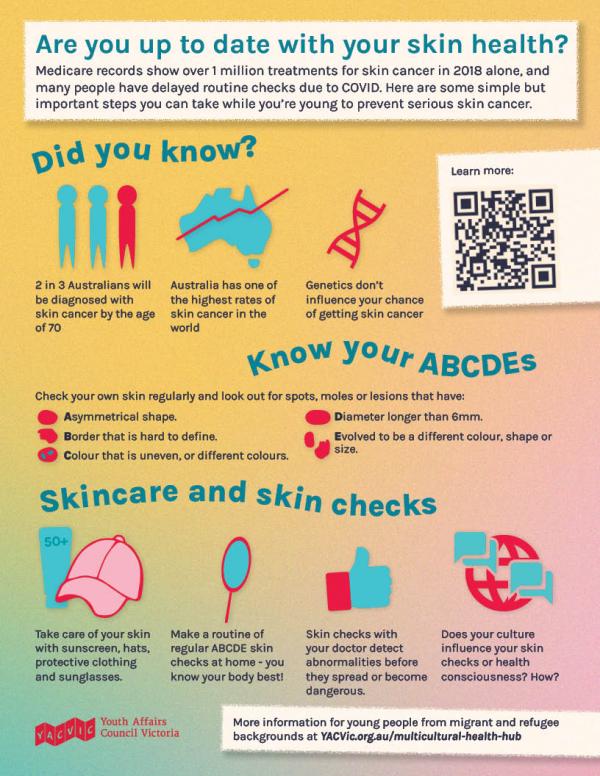
Australia has one of the highest skin cancer rates in the world, with melanoma remaining one of the most commonly diagnosed cancers nationwide. Regardless of whether a nurse works in general practice, dermatology, emergency, aged care or community health, skin cancer is part of everyday clinical life. As cases continue to rise, so does the need for nurses who are skilled, confident and capable of identifying suspicious lesions, educating patients and supporting early intervention.
Skin cancer certification is no longer a niche area of practice. It is a valuable and practical qualification that enhances patient care, strengthens clinical skills and opens the door to diverse career opportunities across Australia. The following sections explain why nurses from all specialties should consider gaining skin cancer training.
Skin Cancer as a Major Public Health Issue
Get To Know Your Trusted Melanographer - Molemap Australia in Giffith New South Wales Aus
Australia’s climate, outdoor lifestyle and high UV exposure have created an environment where skin cancer is extremely common. Most Australians experience significant sun exposure throughout their lives, and many will develop skin cancer at some point. While public awareness has improved, early detection remains one of the most effective tools for reducing the impact of skin cancer.
Nurses are often the first point of contact in the healthcare system, which places them in a crucial position for recognising early warning signs. Even during routine appointments, wound care or chronic disease management, a nurse may be the first person to spot a concerning lesion. With proper training, nurses can identify suspicious features, encourage patients to seek medical review and promote early diagnosis that leads to better outcomes.
The Importance of Early Detection and the Role of Nurses.
Search Results - Eviq Education in Colac Victoria Oz
Early diagnosis can significantly increase survival rates in both melanoma and non melanoma skin cancers. Unfortunately, many people do not perform regular skin checks or may dismiss changes as harmless. Nurses, who often have more regular contact with patients than doctors, are in a unique position to notice these changes early.
Skin cancer certification provides nurses with the skills needed to conduct thorough skin assessments within their scope of practice. It helps them recognise lesions that require medical review, identify risk patterns, use dermoscopic principles if they have received additional training and support clinicians with biopsies and procedures. Nurses who are confident in skin assessment help streamline patient care and contribute to life-saving early intervention.
Certification and Clinical Confidence
Skin Cancer And Melanoma - Healthdirect in Port Lincoln SA Oz
Confidence is a vital part of effective nursing practice, yet many nurses feel uncertain when assessing skin lesions. Training provides clarity, structure and evidence-based knowledge that reduces this uncertainty. Skin cancer certification helps nurses understand different skin cancer types, recognise high-risk presentations, document lesions accurately, follow referral pathways and communicate findings clearly.
This improved confidence benefits both the nurse and the patient. Patients appreciate clarity and reassurance, and colleagues value the support of team members who understand skin cancer assessment. Certification enhances the quality of care and promotes effective teamwork.
[Pdf] Certificate Of Skin Cancer Medicine in Brisbane Queensland Australia
Expanded Career Opportunities for Nurses
Skin cancer training opens a wide range of career opportunities for nurses across Australia. General practice nurses can play a significant role in prevention and lesion assessment. Skin cancer clinics, which continue to grow nationwide, rely on trained nurses for clinical support, procedures, wound care and patient communication. Dermatology services benefit greatly from nurses who understand skin lesions and dermoscopy principles.
In rural and remote communities, where access to dermatologists is limited, skin cancer trained nurses are particularly valuable. They help identify issues early, support local doctors and provide essential education to patients who may not have specialist services nearby.
Cosmetic and aesthetic nurses also benefit from this knowledge, as recognising concerning lesions before performing treatments is vital to safe practice. Nurses pursuing advanced roles, including nurse practitioner pathways, will find that skin cancer certification strengthens their assessment skills and supports expanded responsibilities.
Professional Certificate Of Skin Cancer Medicine in Burnie-Wynard Tasmania
Building Patient Trust Through Knowledge
Patients are more likely to feel comfortable and supported when they know they are being cared for by a knowledgeable clinician. Skin cancer certification equips nurses with the ability to explain their observations clearly, offer evidence-based advice and provide reassurance based on clinical understanding.
Whether a lesion appears benign or requires further assessment, patients appreciate transparent communication. This trust improves the patient experience and encourages individuals to take their skin health seriously.
Nurses as Leaders in Prevention and Education
Tools And Resources - Cancer Australia in Port Macquarie New South Wales Aus
Skin cancer is one of the most preventable cancers. Effective sun protection and behaviour change can significantly reduce the risk of developing skin cancer, yet gaps in public awareness remain. Nurses are natural educators and play a major role in community health promotion.
With skin cancer training, nurses can confidently deliver sun safety advice, explain the importance of regular skin checks, guide high-risk individuals and support public health campaigns. Their influence extends beyond the clinical setting and contributes to long-term cultural change around UV protection.
Supporting Safer Clinical Practice
Graduate Certificate In Dermatology Nursing in Alice Springs Northern Territory Oz
Although nurses do not diagnose skin cancer, they play a major role in recognising concerning features and ensuring appropriate follow-up. Proper training helps nurses understand the signs that warrant urgent review, document lesions accurately and follow structured referral pathways. This contributes to safer practice, reduces the risk of missed diagnoses and strengthens clinical governance across healthcare facilities.
Certification also supports professional accountability by ensuring nurses have the knowledge necessary to make informed assessments and escalate concerns appropriately.
A Qualitative Descriptive Study Of A Novel Nurse-led Skin Cancer ... - Nih in Broken Hill New South Wales Australia
Flexible Learning Options for Busy Nurses
Many nurses worry that further study will be difficult to manage alongside work and personal responsibilities. Fortunately, modern skin cancer courses are designed with flexibility in mind. Options often include online theory, blended programs, in-person workshops, short courses and self-paced study. This makes it easier than ever for nurses to upskill without taking extended time away from clinical duties.
Professional Development and Job Satisfaction
Upskilling is closely linked to increased job satisfaction. Nurses who feel confident and capable in their clinical roles experience greater fulfilment and motivation. Skin cancer certification provides a sense of achievement, enhances autonomy, encourages leadership and improves contribution to patient care.
600 Nurses Project: Targeted Skin Checks Led By Primary Care ... in Camden Haven New South Wales Oz
Because skin cancer knowledge is immediately relevant in Australian healthcare settings, nurses often find the training rewarding and practical. This sense of professional growth contributes to higher morale and long-term career satisfaction.
Improving the Future of Australian Healthcare
The Foundations Of Skin Cancer Medicine (Nurse) in Mudgee New South Wales Aus
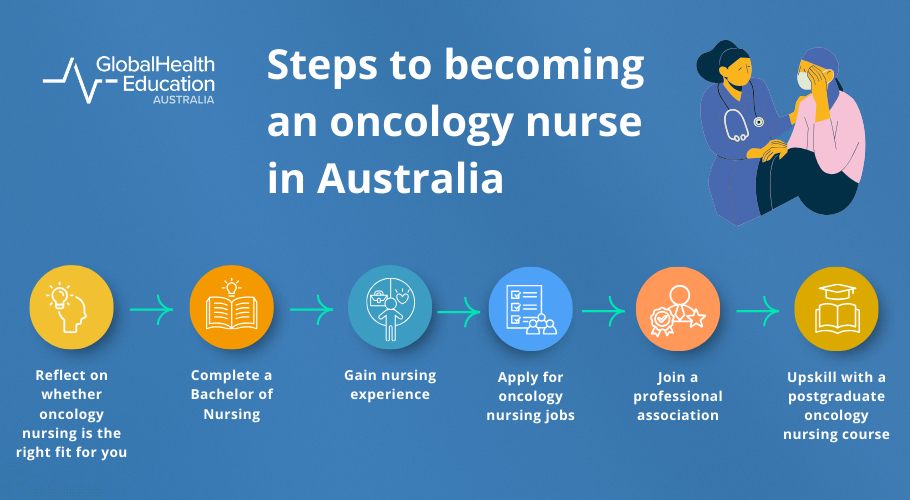
As skin cancer rates continue to rise, the need for early detection, patient education and preventative care becomes even more important. skin cancer courses for nurses australia. Nurses who undertake skin cancer certification help improve early diagnosis rates, reduce the need for complex treatment, support doctors and specialists and reduce pressure on the broader healthcare system
Certification is not only a personal investment in career growth but also a meaningful contribution to public health across Australia.
Vccc Alliance: Essential Research Skills For Clinical Nurses in Orange New South Wales Aus
Final Thoughts
Skin cancer certification is becoming an increasingly valuable qualification for nurses across all healthcare settings in Australia. Whether working in general practice, dermatology, community health, rural and remote areas or cosmetic practice, this training empowers nurses to deliver safer, more confident and more effective care.
Implement - Cancer Nurses Society Of Australia in Mackay Queensland Aus
With skin cancer being one of Australia’s most significant health challenges, nurses play an essential role in early detection, prevention and patient education. Certification strengthens these capabilities, enhances job satisfaction and provides expanded career opportunities.
For nurses looking to grow their skills, strengthen their clinical confidence and make a meaningful impact, skin cancer certification is a highly rewarding and worthwhile step.

Table of Contents
- – Get To Know Your Trusted Melanographer - Molem...
- – Search Results - Eviq Education in Colac Victo...
- – Skin Cancer And Melanoma - Healthdirect in Po...
- – [Pdf] Certificate Of Skin Cancer Medicine in ...
- – Professional Certificate Of Skin Cancer Medi...
- – Tools And Resources - Cancer Australia in Po...
- – Graduate Certificate In Dermatology Nursing ...
- – A Qualitative Descriptive Study Of A Novel N...
- – 600 Nurses Project: Targeted Skin Checks Led...
- – The Foundations Of Skin Cancer Medicine (Nur...
- – Vccc Alliance: Essential Research Skills For...
- – Implement - Cancer Nurses Society Of Austral...
Latest Posts
New Initiative Aims To Take The Sting Out Of Our Skin Cancer Stats in Gladstone Queensland Australia
Primary Care Nurse's Role And Educational Preparedness In Skin ... in Darwin Northern Territory Oz
When Offering Skin Cancer Checks In The Workplace, Choosing The ... in Mount Gambier SA
Navigation
Latest Posts
New Initiative Aims To Take The Sting Out Of Our Skin Cancer Stats in Gladstone Queensland Australia
Primary Care Nurse's Role And Educational Preparedness In Skin ... in Darwin Northern Territory Oz
When Offering Skin Cancer Checks In The Workplace, Choosing The ... in Mount Gambier SA